Commercial plumbing does not forgive flimsy gear. When you are clearing a 6-inch cast iron main packed with years of grease and scale, or sweating valves above a ceiling full of fiberboard and fire sprinklers, you live or die by the tool in your hand. It is not just about brand loyalty or spec sheets. It is about failure rates, ergonomics at hour ten, motor torque when the cable binds, and how many times you can drop a wrench off a scissor lift before it deforms. Durable plumbing tools earn that label through design, material, and serviceability. The rest are consumables in disguise.
This guide draws on what holds up in the grind of hospitals, high-rises, food plants, schools, and distribution centers. Jobs where downtime costs real money, access is ugly, and the work does not pause for backordered parts. If you run a commercial outfit or manage tools for a facilities team, the goal here is simple: help you buy tools that won’t quit when the job turns sideways.
What durability means on a commercial site
Durability is not a single trait. A tool can be rugged in one dimension and weak in another. For commercial plumbing, durability has four pillars: load tolerance, impact resistance, corrosion management, and serviceability. Each one plays out differently, depending on whether you are cutting, threading, pressing, measuring, or clearing drains.
Load tolerance shows up when you stall a press tool on a 4-inch copper fitting or when a chain wrench needs to bite and hold without stretching. Impact resistance matters when a pipe threader gets bounced on and off a van or a drain machine takes a shot from a dropped coupling. Corrosion management is daily life around condensate, chemicals, disinfectants, and outdoor installs. Serviceability, often overlooked, is the difference between a tool that lives a decade and one that becomes trash after the first bearing fails.
Selecting gear for commercial plumbing means stress testing these four areas in your mind before you ever swipe the card.
The backbone: hand tools that take a beating
A job rises or falls on fundamentals. Adjustable wrenches, pipe wrenches, pliers, tubing cutters, hammers, and deburring tools are the constant companions. In commercial environments, the difference between retail-grade and trade-grade becomes painfully obvious.
Steel quality and jaw geometry count more than finish. Heavy-wall pipe and seized fittings demand https://theleanderplumber-company.com a pipe wrench with forged steel jaws that stay square and a hook jaw spring that does not lose tension when hot or cold. Aluminum-bodied pipe wrenches reduce fatigue on overhead work, but accept that they will pick up dings faster than steel. The aluminum is still worth it for ceiling work on trapeze, just rotate heavier steel wrenches for floor and vault tasks.
For adjustable wrenches, closed tolerances on the worm gear determine slop months down the line. If you can feel the jaw twist on day one, it will grow sloppy by month three. Choose versions with induction-hardened jaws that hold an edge against chrome-plated fittings and stainless hex. Channel-lock style pliers with crosshatch teeth bite better on wet brass than smooth jaws, but be mindful on chrome escutcheons and hose connections that mar easily. Keep one set of smooth jaws for finish work.
Copper tubing cutters that live in commercial work should have solid rollers with debris grooves and replaceable blades. The tiny set screw that holds the wheel is a failure point on bargain cutters. When it strips, the tool is done. Abrasive wheels crust with mineral in hospital wings and mechanical rooms. Spare wheels cost little and extend life more than sharpening tricks ever will.
On the demolition and retrofit side, a good recip saw with reduced vibration and an orbital setting makes the difference between clean cuts and bent strut. That said, the blade matters as much as the saw. Bi-metal blades rated for cast iron, stainless, and nail-embedded wood last longer than general-purpose blades that chatter and overheat. For cast iron, a chain-style snap cutter remains king when you have clearance. It does not throw sparks, and it preserves edges for couplings. Keep the rollers lubed, and do not lend it to the HVAC crew.
The hand tool story ends where many crews cheap out: deburring and reaming. On large copper, a full-size reamer that holds its angle saves fittings, press rings, and O-rings. Skip reaming, and you will shave elastomers or create turbulence that whistles. A durable reamer has hardened blades and a body that does not oval out. The cheap ones wobble after the third drop.
Power that pays for itself: threading, cutting, and pressing
A commercial plumber spends real time shaping pipe. Threading machines, chop saws, press tools, and bevelers take abuse by design. Pick systems that have parts availability and tech support, not just fancy packaging.
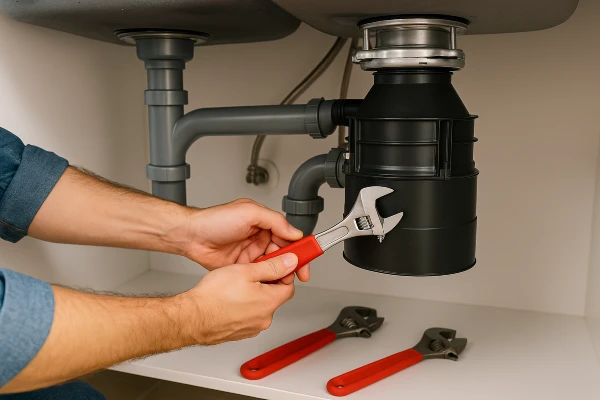
Bench and tripod threaders live rough lives. The motor, gear train, and dies take constant shock. Hot oil splashes, thread chips work into everything, and long nipples hang off the front like a lever. Durability starts with a stout carriage and rigid die head that aligns clean. If you see inconsistent thread depth, the tool is either misaligned or flexing under load. The fix is not more cutting oil, it is a better machine or a rebuild. For two-inch and under galvanized, a compact power drive with a good stand is fine. For 2.5 inch and up, a full-size machine earns its keep.
Die selection matters. Alloy dies with coatings hold an edge longer in stainless and black iron, but they are not invincible. Once a die chips, it will score threads and leave you chasing leaks. A disciplined die maintenance routine turns into durability. Wipe, oil, inspect, and replace on a schedule. When a die sticks, a weaker motor will stall and trip breakers, while a heavier duty motor will power through and damage the die. Balance matters. Match your machine’s torque to your typical pipe sizes.
Press tools have transformed commercial work, especially on copper and stainless, and increasingly on carbon steel systems. A press gun’s durability hinges on its hydraulic pump, the jaw pivot bushings, and its electronics. Thermal overload protects the motor, but the real wear shows up in jaws. Larger jaws flex, especially on 4-inch copper and 2-inch stainless. The hinge pins and latch take a beating. Inspect your jaws the way a rigger inspects slings. A seized jaw pin will overload the tool, leading to incomplete presses. Always verify crimp profile with a calibration ring when the manufacturer provides one. If a press gun drifts out of tolerance, you will not know until you test. The most durable press setups pair the gun with a maintenance program: clean jaws, light oil on pivots, battery rotation, and annual calibration.
Cold cutting for steel, whether via a band saw or a carbide cold cut saw, beats abrasive wheels in commercial settings. Cold cuts throw less spark, reduce burr, and keep edges cool for threading or welding. A good portable band saw with a rigid shoe and variable speed will last years if you keep blades matched to the material. Too fine a tooth pitch on thick pipe will strip teeth and ruin the wheels. Blades are consumables, but the saw body should not be. Choose models with sealed bearings and rubber overmold that does not peel after a year of solvent exposure.
Drain cleaning machines that do not quit
Drain work breaks tools fast. Cables kink, drums rust from the inside, and switch gears fill with grease. Durability for drain machines means high-torque motors, well-balanced drums, and cables with consistent temper. In commercial plumbing, you rarely snake a single bathroom sink. You run long distances through older piping with wyes, bellies, and transitions. The machine should control torque so you feel the cable, not fight it.
Sectional machines allow replacement of damaged sections without scrapping a full cable. They hit harder and clear heavy blockage well. Drums are cleaner in occupied spaces, especially hospitals and offices, trapping the mess. The best drum machines have a clutch or foot pedal with smooth modulation and a drum that is truly balanced to lower vibration. Cheap drums wobble and eat cable. Look inside the drum if you can. Weld quality on the frame and drum hub tells you more than marketing language.
Cable metallurgy is worth attention. A 5/8-inch cable with a uniform wind and tempered core will resist kinks better than lumpy bargain cable. Keep cutters sharp. A dull spear point will simply polish grease. Switch to a funnel head, spade, or C-cutter based on material. For root intrusions, a sectional machine with a heavy-duty cutter still wins. On hydro-jetting, the pump and hose are the heart. A 3000 to 4000 psi unit with adequate flow will scours grease, but if the pump cavitates it will die young. Use filtered water whenever possible, and purge hoses before storage. Corrosion kills pumps in months if you let acidic waste sit.
Durability extends to transport. Drain machines need real handles, tie-down points, and wheels that roll over thresholds. Those flimsy 6-inch wheels that fold on the first curb are not for commercial use. Spend for pneumatic or solid rubber wheels with metal hubs. Your back will thank you, and the machine will arrive in one piece.
Measuring, locating, and inspection gear that survives field life
Commercial jobs demand accuracy under lousy conditions. Lasers, inspection cameras, locators, and pressure gauges need to take drops, moisture, dust, and rough handling. Good gear will not erase sloppy procedure, but it will make good procedure easier.
Borescopes and drain cameras live in filth. Choose cameras with sapphire glass or hardened poly lenses and push rods rated for repeated bends. A mid-range camera head usually strikes the best balance. The ultra tiny heads are fragile, and the big heavy heads crack fittings in tight traps. Look for removable, field-replaceable camera heads and push rods. If you have to ship the entire unit for a rod swap, that camera will sit for weeks while your crew is blind. On-screen distance counters drift. Calibrate regularly against a tape. Use sonde locators that can find a camera head through slab and tile at typical depths of 2 to 6 feet. The locator’s screen should be readable in sunlight, and the housing should shrug off rain. Batteries that swap with your other cordless tools reduce downtime.
Laser levels used for pipe slope benefit from pendulum lockouts and IP ratings that actually mean something. A decent IP54 body will survive splash and dust, but if you run sprinklers and saws, an IP65 gives more margin. Protect those lasers from freezing in vehicles. Cold LCDs lag and crack. A steel protection cage around the laser window prevents death by falling strut.
Pressure testing equipment fails often because of cheap gauges and hoses. Glycerin-filled gauges dampen vibration and give cleaner readings. Bring two gauges and cross-check. It saves you from chasing phantom leaks. For air testing, use a quality regulator and isolator valve, and treat the assembly like the tool it is. Tossing test rigs into a bucket with screws ruins them fast.
Cutting and joining on the big side: cast iron, PVC, copper, and steel
Commercial buildings throw every material at you. Cast iron for waste stacks, PVC or CPVC for drain and chemical lines, copper for domestic water, stainless for certain process lines, and steel for hydronics and gas. Durability in tools means picking the method that respects the material.
Cast iron still justifies the classic soil pipe cutter. Keep every roller aligned, and inspect the chain for stretch. A single stretched link transfers force unevenly and breaks pipe where you do not want it. For no-hub coupling work, a calibrated torque wrench set to the band’s spec is non-negotiable. The temptation to reef down with a nut driver shortens coupling life and invites leaks. The torque wrench itself needs care. Dirt in the ratchet will throw readings off. A beam-style torque wrench is simpler and durable, but not always practical overhead.
For PVC and CPVC, miter boxes and fine-tooth saws give square cuts, but in tight mechanical rooms a compact ratcheting cutter wins. The durable versions use thick, replaceable blades with real pivot bushings. Cheap cutters wobble and crush thin-wall pipe. Deburring plastic matters as much as copper. A plastic burr will ride the gasket in a fitting and create a track for leaks. Keep a dedicated plastic reamer in the box, not the one you lost last month and replaced with a pocketknife.
Copper, especially in sizes above 2 inches, rewards patience. Press systems have accelerated timelines, but they demand exact preparation. Ream the pipe, mark insertion depth, and confirm jaw profiles. If your press tool throws a fault, do not nurse it with half-charged batteries. That is a path to partial crimps. For brazing and soldering, a torch that can maintain a stable flame in mechanical rooms with supply fans running is worth money. Gas regulators age. A creeping regulator that climbs pressure while you work is a safety hazard. Replace them on a schedule, not when they fail. Keep heat-blocking paste or pads to protect valves and nearby finishes. No tool is durable enough to fix a melted ball valve seat.
Threaded steel and grooved systems each have their toolsets. Grooving machines must deliver consistent groove depth and width. Worn knurl rollers will create grooves that do not seat gaskets correctly. Many crews blame the coupling, but the groove is at fault. Keep a go/no-go gauge on hand and use it. For threading, we already covered dies and alignment, but do not neglect cutting oil. Synthetic oils work, but some blends break down under heat. Watch chip color and shape. Blue chips and smoke mean heat and shortened die life. Proper flow and clean oil extend tool life more than anything.
Cordless platforms and the battery reality
Cordless tools have taken over much of commercial plumbing. Press tools, band saws, impact wrenches, hammer drills, inspection cameras, and even drain cleaners run on batteries today. Durability here is about a platform decision, not a single tool. Standardize on one or two ecosystems so you can swap packs in the field. Look at how the packs vent heat, seal against water, and resist drops. Packs with magnesium or reinforced rails handle daily sliding on and off tools better than plastic-only interfaces.
Treat batteries as fleet assets. Track cycles, rotate them, and retire packs that sag under load. A pack that drops from three bars to one as soon as you pull the trigger will stress motors and electronics. Store packs in temperature-moderated spaces when possible. Heat kills them faster than cold, but both extremes shorten life. Charger placement matters too. Dust and thread oil mist will coat charger contacts and reduce charging efficiency.
Not every tool belongs cordless. High-duty-cycle threading machines, big jetters, and large chop saws still prefer corded or engine-driven power. A 12-amp draw on a job with sketchy temp power is a recipe for nuisance trips. Bring dedicated cords with intact grounds and correct gauge for the run. Undersized cords starve motors and burn windings. A 100-foot 14-gauge cord feeding a 15-amp saw is not durable practice, it is a slow-motion failure.
Ergonomics and the hidden durability of the user
Durable tools protect the person holding them. That is not soft talk, it is the hard math of labor cost and injury downtime. Anti-vibration handles on reciprocating saws and grinders, balanced drain machine drums, shoulderable press tools with swiveling heads, and pipe wrenches with flat shanks that rest on the forearm all reduce strain. A tool that beats you up will be dropped more, handled roughly, and misused.
Grip textures matter in wet rooms. If the handle turns slick with cutting oil, you will squeeze harder and fatigue faster. Rubber that dissolves in solvents becomes a sticky mess and compromises control. Look for chemical-resistant overmolds and knurling that works with gloves.
Weight distribution is a real factor on ladders and lifts. A press tool with the mass out at the jaw will twist your wrist at full arm extension. A better design brings weight back toward the handle and lets the head rotate so you can keep a neutral wrist. These little factors prevent drops, and fewer drops directly extend tool life.
Maintenance rituals that keep tools alive
Commercial plumbing is a hostile environment. Tools survive when maintenance becomes habit. The habits do not need to be elaborate, they need to be consistent.
- Wipe down after wet work: Cutting oil, flux, and condensate corrode bare steel and soften rubber. A rag and light machine oil at day’s end add years. Blade, die, and jaw inspection: Do it weekly. Replace at first signs of chipping, rounding, or drift. A $60 die set is cheaper than a rework on a 3-inch gas line. Battery rotation and logging: Date every pack with a paint pen. Keep the oldest packs in light-duty tools. Pull any pack that repeats thermal shutdowns. Calibration schedule: Press tools, torque wrenches, pressure gauges, and lasers all drift. Set calendar reminders. Uncalibrated tools create hidden failures. Case and storage discipline: Broken cases expose tools to dust and impact. Replace latches and foam. Wall-mounted storage in the shop prevents pile damage on the floor.
These simple routines turn expensive tools into long-term assets. Skip them, and even the best brands will feel disposable.
Brands, warranties, and the truth about service
Names matter less than service paths. Ask three questions before you commit to a tool line. First, can you get parts within a week. Second, where is the nearest authorized service center. Third, what does the warranty cover, and how quickly do they turn repairs. A five-year warranty with six-week turnaround is brutal in commercial plumbing. A one-year warranty with three-day swap often wins.
Build relationships with local suppliers. A counterperson who knows your crew will chase parts and loan a tool when yours is down. That saves jobs. Online deals save a few dollars up front, but they rarely help when your press gun throws a code at 7 a.m. on a hospital shutoff morning.
Environmental abuse, chemicals, and corrosion control
Facilities vary widely. Food plants hit tools with sanitizers. Schools and hospitals have maintenance chemicals and constant wiping. Outdoor jobs chew through metal with salt and UV. If you work in these settings, choose tools with coatings that make sense. Nickel plating resists some chemicals, but chlorides attack it. Epoxy-coated housings hold up better than bare aluminum in caustic washdowns. Stainless fasteners in tool housings prevent frozen screws during repair. Rubber seals swell with certain solvents. Read the chemical resistance charts, then test in your actual environment. A day of exposure can reveal swelling or sticky residue that turns a good tool into a liability.
For drain cameras and jetters, rinse with clean water after every job and run the pump briefly with clean water to purge. Store hoses unpressurized and uncoiled enough to avoid kinks. Fans or ventilated lockers help dry the gear. Dry tools corrode less, and dry cameras resist mildew that fogs lenses.
Training the crew to respect durability
Even the toughest plumbing tools die fast in untrained hands. The right way to run a sectional machine, feed a press gun, or torque a no-hub band is not instinctive. Short, focused training sessions pay off. Ten minutes on recognizing cable kink, five minutes on debris control around threaders, and a refresher on choosing the correct press jaw profile can prevent expensive mistakes.
Pair a veteran with a newer plumber on high-risk tools for a week. The knowledge transfer is worth more than any manual. Explain not just the how, but the why. Example: we ream copper because unreamed edges cut O-rings and cause leaks months later. Once someone understands consequences, they tend to handle tools more carefully.
Real-world examples where durable choices saved the day
A food production facility called for a Saturday shutdown to replace a corroded 3-inch hot water loop valve. Space was tight over conveyors. A press tool with a rotating head and a fresh set of jaws let the crew finish three presses in less than fifteen minutes. The tool’s battery telemetry showed full voltage under load, confirming no risk of partial crimps. The company had calibrated the gun the prior month. That discipline avoided a revisit that would have shut the line on a weekday.
On a school campus with chronic mainline blockages, the facilities team upgraded from an old drum machine with suspect cable to a sectional machine and a set of heavy cutters. The new setup cleared a 120-foot 4-inch line packed with wipes and roots. The machine’s clutch and torque delivery let the operator feel the cutter, not just force it. No kinked cable, no broken sections. They added a maintenance note to replace blade sets every three months. The tool keeps earning.
During a hospital mechanical room build-out, the crew standardized on IP65 laser levels and glycerin-filled gauges. A temporary sprinkler activation soaked the area. The lasers shrugged it off. The gauges stayed readable. The small upcharge for weather-rated gear kept the work on schedule while other trades scrambled.
Balancing cost and durability without buying the catalog
You do not need the gold-plated version of every tool. Spend heavy where stakes are high and failure risks are ugly: press tools, threaders, drain machines, torque wrenches for no-hub bands, inspection cameras, and core drills. Go mid-tier on items that you can stock in quantity and that fail gracefully: tape measures, nut drivers, utility knives, small flashlights. Buy expendables in bulk: blades, dies, cutting oil, flux brushes, cleaning swabs for camera heads.
A smart mix conserves capital and still outfits a crew to handle almost any commercial plumbing situation. Track tool usage. If a tool sits, consider renting it when needed. For instance, a large hydro-jetter or core rig may be better as a rental unless your workload justifies the maintenance and storage space.
A short field checklist before you buy
- Does the tool have a service network and parts available within a week. Can your crew maintain critical wear components in the field. Will it tolerate the chemicals, moisture, and temperature swings of your sites. Are batteries or power requirements compatible with your current setup. Do you have a plan to calibrate or verify accuracy on a schedule.
If a tool fails any of these, think twice. There is always a shinier model, but the durable choice is the one that keeps going when the floor is wet, the pipe is stubborn, and the clock is unfriendly.
The bottom line for the commercial plumber
Durable plumbing tools for heavy-duty commercial work are defined by more than metal thickness or brand claims. They are the tools that hold alignment when loaded, protect their internals from the grime of the job, and can be repaired quickly when something wears out. They save wrists and backs, they keep jobs on schedule, and they earn their cost by not failing when failure would be expensive.
A commercial plumbing operation should treat its tools like the critical assets they are. Choose them with an eye for serviceability and ruggedness, train the crew to use and care for them, and set simple maintenance routines that do not slip during busy months. Do that, and your gear will last. More importantly, your work will stay tight, your callbacks will drop, and you will be the plumber the GC calls when the stakes are high. That is the quiet payoff of durability in commercial plumbing tools.
THE LEANDER PLUMBER - COMPANY 1789 S Bagdad Rd #103, Leander, TX 78641 (737) 530-8021